Transmission Diagnostics in Hickory, NC
Honest diagnosis comes first. We road test it, scan it and inspect it so you know exactly what's wrong, and what isn't, before you spend money on a repair.
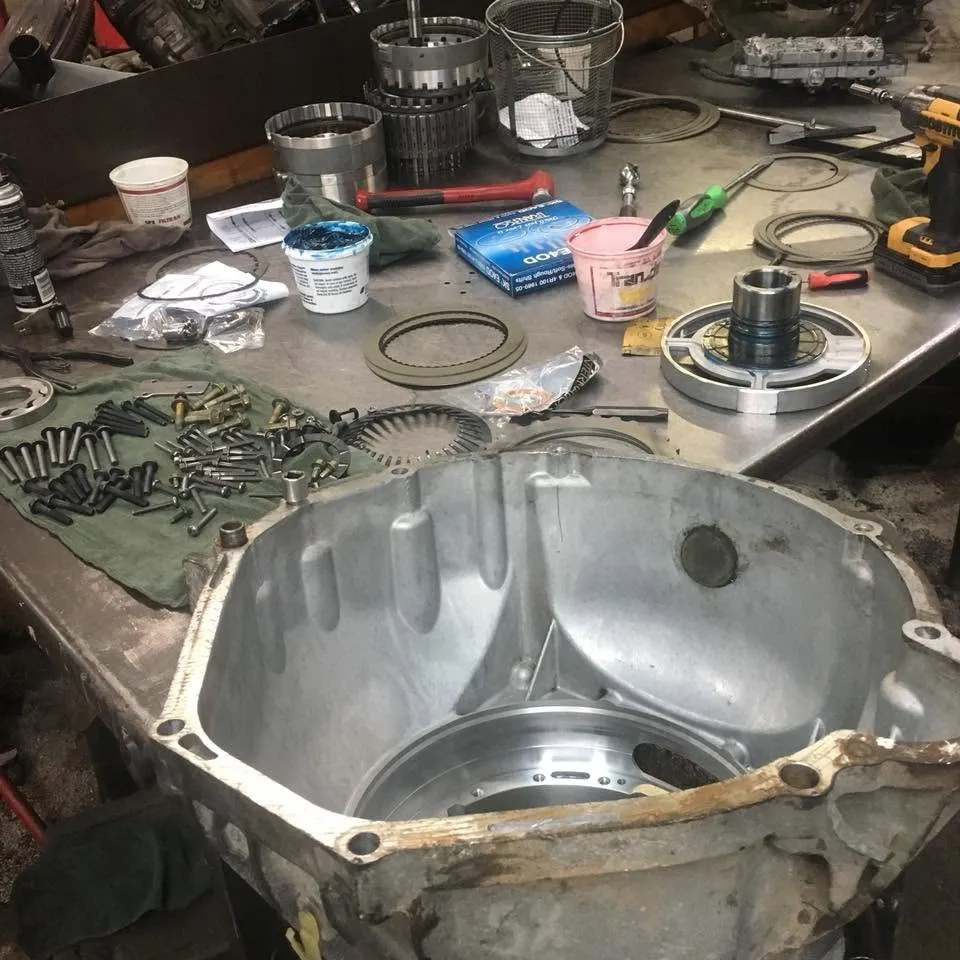
A transmission problem is stressful because the stakes feel high. Most people walk in expecting the most expensive answer. That’s exactly why we diagnose first, every time, before recommending a single part.
Diagnosis here means more than plugging in a scanner. We drive the vehicle to feel what you’re feeling. We pull codes from the engine and transmission computers, then watch live data to see what the transmission is being told to do and what it’s actually doing. We check the fluid, because its level, color, smell and what’s floating in it tell us a lot about what’s going on inside. We also rule out problems that only feel like the transmission, such as engine misfires, worn mounts, a bad U-joint or a wheel bearing.
Here’s what that looks like in practice. One customer brought in a VW Jetta after a dealer told her the whole transmission needed to be replaced. Our diagnosis found the problem was the valve body. We replaced the valve body, not the transmission, and she drove away with the right repair instead of the most expensive one. Another customer brought us his Ram 1500 and said our diagnosis was “spot on.”
That’s not luck. That’s what a specialist shop is for. A longtime customer put it simply: Alex “tells you exactly what needs to be fixed and never tries to make up stories.”
Once we know what’s wrong, we explain it in plain English, including what’s urgent and what can wait. Then we quote the repair. If you’re in Hickory or the surrounding Catawba Valley and something doesn’t feel right, call before it gets worse.
Signs you may need this service
- Check-engine or transmission warning light is on
- Shifts feel different than they used to
- A new noise, vibration or shudder you can't place
- You were quoted a full replacement and want a second opinion
- The vehicle went into limp mode and is stuck in one gear
These are common signs — a real inspection is what confirms the cause.
What we check
- Trouble codes and freeze-frame data from the engine and transmission computers
- Live data such as line pressure commands, slip, temperatures and solenoid activity
- Fluid level, condition, smell and what's in it
- Wiring, connectors and sensors that feed the transmission
- Engine, mount and driveline issues that can feel like transmission trouble
How it works
- 1Listen to what you've been noticing, including when it happens and how often.
- 2Road test to feel the problem for ourselves.
- 3Scan, check live data and inspect the fluid.
- 4Explain what we found in plain English, including what can wait and what can't.
- 5Quote the repair. Nothing gets done without your OK.
Frequently asked questions
Can't I just get the code read at a parts store?
A code tells you which circuit or condition the computer flagged. It doesn't tell you why. The same code can come from a bad solenoid, low fluid, a wiring problem or internal wear. Diagnosis is what connects the code to the actual cause.
I was told I need a new transmission. Can you double-check?
Yes, and we encourage it. Sometimes the whole unit does need to come out. Sometimes it doesn't. We'll tell you which, and why.
Does the diagnosis commit me to the repair?
No. You get our findings and a quote, and you decide what to do.
Transmission acting up? Let’s find out why.
Tell us what your vehicle is doing and we’ll take it from there. The request takes a couple of minutes, or call and talk to the shop directly. Se habla español.